
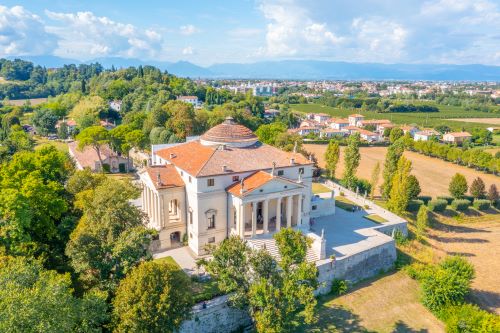
Description
To Goethe, architecture was “frozen music.” For Thomas Jefferson, architecture had a moral purpose, to “improve the taste of my countrymen.” To Frank Lloyd Wright, it was “the mother art” of a nation. This course explores what architecture is, how it shapes our experience of the built environment, and how different cultures over the centuries have defined what makes “good” architecture by focusing on significant buildings and architects from the history of Western architecture. How do architects utilize form, materials, space, light, color, and decoration to define and shape a building’s function, usefulness, and beauty, as well as to elicit feelings of awe, calm, exhilaration, or mystery? How can we “read” in buildings the aesthetic, religious, social, and political culture out of which they came? What role did innovations in building materials, technology, and engineering play in architecture’s evolution? Can architecture have moral meaning?