-
 RECORDEDOctober 27 Monday2:00 PM → 3:00 PMSessions: 1Locations: Online ClassStart planning your next great adventure with Oasis! We’re partnering with AFC Vacations to offer two unforgettable group trips in 2026. Join us for a free virtual presentation on October 27 to meet a travel representative, explore trip highlights, and get all your questions answered. Great Trains & Grand Canyon - April 2026 Experience the... read moreStart planning your next great adventure with Oasis! We’re partnering with AFC Vacations to offer two unforgettable group trips in 2026. Join us for a free virtual presentation on October 27 to meet a travel representative, explore trip highlights, and get all your questions answered. Great Trains & Grand Canyon - April 2026 Experience the American West in style on this scenic rail journey, featuring breathtaking views, historic towns, and one of the world’s greatest natural wonders. Classical Italy – Rome, Florence & Venice - November 2026 Discover the timeless beauty of Italy’s most iconic cities — from ancient ruins in Rome to Renaissance treasures in Florence and the romantic canals of Venice.
 -
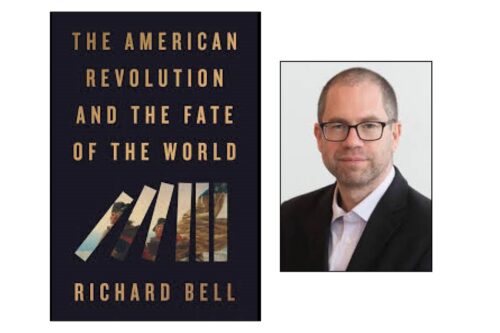 RECORDEDJanuary 20 Tuesday1:00 PM → 2:30 PMSessions: 1Instructor: Richard Bell, Professor of History, University of MarylandLocations: Hybrid - At Oasis and OnlineDon’t miss this opportunity to see instructor Rick Bell in-person. Dr. Bell invites you to rediscover the Revolution as a world war that unleashed chaos, opportunity, and transformation across six continents. From the sugar fields of the Caribbean to the court of the King of Mysore, from refugee camps on the Canadian frontier to political uprisings in... read moreDon’t miss this opportunity to see instructor Rick Bell in-person. Dr. Bell invites you to rediscover the Revolution as a world war that unleashed chaos, opportunity, and transformation across six continents. From the sugar fields of the Caribbean to the court of the King of Mysore, from refugee camps on the Canadian frontier to political uprisings in Sierra Leone and Peru, the war that gave birth to the United States was never simply America’s own. It was a seismic global event that redrew maps, toppled hierarchies, catalyzed migration, and accelerated new movements for liberty—and for empire. This is the American Revolution as you’ve never seen it before: complex, global, and astonishingly relevant to the modern world. Rick will also be signing copies of his new book.
 -
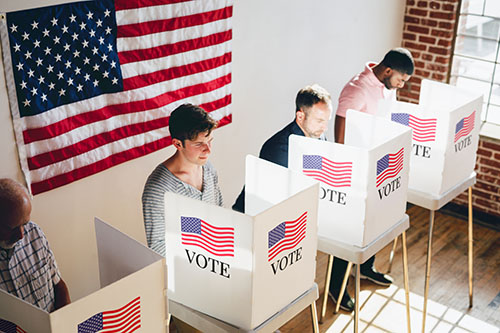 RECORDEDJanuary 13 Monday1:00 PM → 2:30 PMSessions: 1Instructor: Steve Roberts, Journalist and AuthorLocations: Hybrid - At Oasis and OnlineSteve Roberts has been a journalist for almost 60 years, covering some of the major events of his time, including fourteen presidential election campaigns. As a broadcaster, Roberts appears regularly as a political analyst on the ABC radio network and writes a nationally-syndicated newspaper column. He teaches politics and journalism at George Washington... read moreSteve Roberts has been a journalist for almost 60 years, covering some of the major events of his time, including fourteen presidential election campaigns. As a broadcaster, Roberts appears regularly as a political analyst on the ABC radio network and writes a nationally-syndicated newspaper column. He teaches politics and journalism at George Washington University, and lectures widely on American politics and the role of the news media. Join Steve Roberts for a look at the results of Election 2024.
 -
 RECORDEDJanuary 14 Tuesday1:00 PM → 2:15 PMSessions: 1Instructor: Brian Rose, Professor (ret.), Department of Communication and Media Studies, Fordham UniversityLocations: Online ClassFrom the moment movies learned to talk, they learned to sing. Audiences back in 1927 were electrified when they heard Al Jolson belting out the top tunes of the day in The Jazz Singer, and through movie history some of our greatest vocalists have been star attractions in Hollywood musicals. The film industry did its best to showcase these performers with a... read moreFrom the moment movies learned to talk, they learned to sing. Audiences back in 1927 were electrified when they heard Al Jolson belting out the top tunes of the day in The Jazz Singer, and through movie history some of our greatest vocalists have been star attractions in Hollywood musicals. The film industry did its best to showcase these performers with a variety of creative techniques, from elaborate production numbers to imaginative camerawork, all designed to enhance the emotional power of seeing and hearing singers like Judy Garland, Bing Crosby, Lena Horne, and Frank Sinatra come alive on the big screen. This talk will look at the varying ways Hollywood captured its star vocalists through the decades, and provided audiences then and now with an invaluable record of indelible performances.
 -
 RECORDEDJanuary 21 Wednesday1:00 PM → 2:15 PMSessions: 1Instructor: Brian Rose, Professor (ret.), Department of Communication and Media Studies, Fordham UniversityLocations: Online ClassFrom its start in the early 1950s,the talk show has been one of television’s most versatile and durable formats. Pioneering programs like Today, Person-to-Person, and Tonight established the basic features that have guided the format ever since. Whether it was the sophisticated wit of Dick Cavett, the magnetic empathy of Oprah Winfrey, the innovative... read moreFrom its start in the early 1950s,the talk show has been one of television’s most versatile and durable formats. Pioneering programs like Today, Person-to-Person, and Tonight established the basic features that have guided the format ever since. Whether it was the sophisticated wit of Dick Cavett, the magnetic empathy of Oprah Winfrey, the innovative comedy of David Letterman, or the sharp political satire of Jon Stewart, the talk show has continued to provide viewers with a lively mix of entertainment, information, and compelling conversation. This presentation will also look at how late night talk shows have become centers of political controversy, from Stephen Colbert’s cancellation in July 2025 to Jimmy Kimmel’s suspension in September 2025.
 -
RECORDEDJanuary 15 Wednesday1:00 PM → 2:30 PMSessions: 1Instructor: Ralph D Buglass, Montgomery HistoryLocations: Hybrid - At Oasis and OnlineA good number of movies have been filmed--at least partially--here in Montgomery County. A few are even set here; others that are set elsewhere include scenes of many recognizable local spots. And a surprising number of actors and actresses grew up in this area, with several big-name stars hailing from Silver Spring. The county’s historical organization,... read moreA good number of movies have been filmed--at least partially--here in Montgomery County. A few are even set here; others that are set elsewhere include scenes of many recognizable local spots. And a surprising number of actors and actresses grew up in this area, with several big-name stars hailing from Silver Spring. The county’s historical organization, Montgomery History, is proud to "premier" this presentation at Oasis!
-
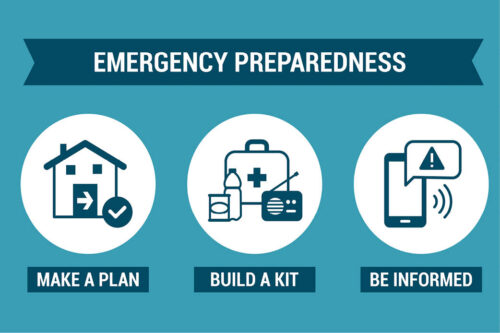 RECORDEDJanuary 22 Thursday10:30 AM → 11:30 AMSessions: 1Instructor: Charles Magee, Emergency Management Specialist, Montgomery CountyLocations: Hybrid - At Oasis and OnlineThis presentation will help better prepare you to respond to the emergencies that impact Montgomery County. We'll review numerous potential human-caused and naturally occurring hazards within Montgomery County, discuss ways to limit your exposure to those hazards, and go over the key steps of what you can do to be better prepared for any hazard. The goal of... read moreThis presentation will help better prepare you to respond to the emergencies that impact Montgomery County. We'll review numerous potential human-caused and naturally occurring hazards within Montgomery County, discuss ways to limit your exposure to those hazards, and go over the key steps of what you can do to be better prepared for any hazard. The goal of this presentation is to ensure all Montgomery County residents have relevant and accurate information so they can make timely decisions when responding to emergency or unplanned events.
 -
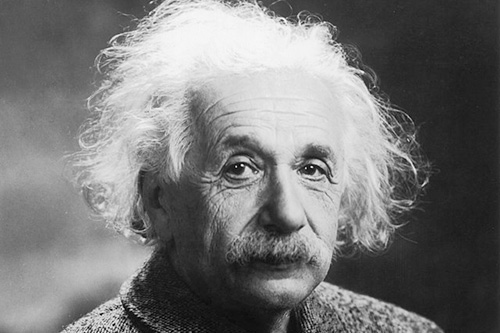 RECORDEDJanuary 16 Thursday1:00 PM → 2:30 PMSessions: 1Instructor: Steven Gimbel, Professor of Philosophy, Gettysburg CollegeLocations: Online ClassAlbert Einstein was not only a revolutionary physicist, he was also an active advocate for democracy and human rights, positions that made him an enemy of Adolf Hitler's regime. We will explore the intellectual roots of Einstein's political ideas and discuss his history of... read moreAlbert Einstein was not only a revolutionary physicist, he was also an active advocate for democracy and human rights, positions that made him an enemy of Adolf Hitler's regime. We will explore the intellectual roots of Einstein's political ideas and discuss his history of activism.
 -
 RECORDEDJanuary 22 Thursday1:00 PM → 2:30 PMSessions: 1Instructor: Steven Gimbel, Professor of Philosophy, Gettysburg CollegeLocations: Online Class(See other classes in this series: #145, 185, 223.) The Scientific revolution not only gave us new theories about the ways in which the universe worked, but undermined larger worldviews and even our sense of what it is to be a human. The philosophical questions raised by the Scientific Revolution forced a radical shift in how we thought about... read more(See other classes in this series: #145, 185, 223.) The Scientific revolution not only gave us new theories about the ways in which the universe worked, but undermined larger worldviews and even our sense of what it is to be a human. The philosophical questions raised by the Scientific Revolution forced a radical shift in how we thought about everything.
 -
 RECORDEDJanuary 27 Tuesday1:00 PM → 2:30 PMSessions: 1Instructor: Cynthia Peterman, Career EducatorLocations: Online Class(Note: Due to inclement weather, this class has been converted to online-only.) In 1931 Germany was awarded the Summer Olympic games to be held in Berlin in August 1936. Two years later in 1933, Adolf Hitler and the Nazi party were elected, and in response people in the U.S. and around the world called on the International Olympic Committee to boycott... read more(Note: Due to inclement weather, this class has been converted to online-only.) In 1931 Germany was awarded the Summer Olympic games to be held in Berlin in August 1936. Two years later in 1933, Adolf Hitler and the Nazi party were elected, and in response people in the U.S. and around the world called on the International Olympic Committee to boycott the Berlin games, since Nazi policies violated the Olympic ideals of sportsmanship and fair play. We will explore this history and what questions it raises for the upcoming 2026 Winter Olympics. While this class is being offered in-person only, it will be recorded and available to people who have registered for the class.
 -
 RECORDEDJanuary 21 Tuesday10:30 AM → 12:00 PMSessions: 1Instructor: Gideon Amir, Hebrew ScholarLocations: Online ClassThere are many explanations and theories as to who wrote the Hebrew Bible. Some believe it was written by God, some believe Moses wrote it based on God’s words, and still others believe God inspired or instructed human beings to write it. Focusing on the first five books of the Old Testament, we’ll explore some scholarly ideas and fascinating examples... read moreThere are many explanations and theories as to who wrote the Hebrew Bible. Some believe it was written by God, some believe Moses wrote it based on God’s words, and still others believe God inspired or instructed human beings to write it. Focusing on the first five books of the Old Testament, we’ll explore some scholarly ideas and fascinating examples from the Bible so that you leave with a deeper understanding of the text.
 -
 RECORDEDJanuary 28 Wednesday10:30 AM → 12:00 PMSessions: 1Instructor: Seth Kibel, Musician and ComposerLocations: Online Class(See other classes in this series: #142, 173, 221.) It's in New Orleans, at the end of the 19th and beginning of the 20th centuries, that multiple musical genres coalesce to give birth to the music we now know as "jazz." Why NOLA? We'll explore this issue as we discuss the lives and music of such early jazz pioneers as Buddy Bolden, Joe "King" Oliver,... read more(See other classes in this series: #142, 173, 221.) It's in New Orleans, at the end of the 19th and beginning of the 20th centuries, that multiple musical genres coalesce to give birth to the music we now know as "jazz." Why NOLA? We'll explore this issue as we discuss the lives and music of such early jazz pioneers as Buddy Bolden, Joe "King" Oliver, Jelly Roll Morton, Sidney Bechet, and more. Vintage recordings, as well as live performances from your speaker, will make this presentation swing like the Big Easy itself!
 -
 RECORDEDJanuary 21 Tuesday1:00 PM → 2:00 PMSessions: 1Instructor: James H Johnston, Lawyer and AuthorLocations: Hybrid - At Oasis and OnlineMurder, Inc. tells the story of the CIA’s assassination operations under John F. Kennedy, up to his own assassination and beyond. James H. Johnston was a lawyer for the Senate Intelligence Committee which, in 1975, investigated and first reported on the Castro assassination plots and their relation to Kennedy’s murder. Johnston examines how the CIA... read moreMurder, Inc. tells the story of the CIA’s assassination operations under John F. Kennedy, up to his own assassination and beyond. James H. Johnston was a lawyer for the Senate Intelligence Committee which, in 1975, investigated and first reported on the Castro assassination plots and their relation to Kennedy’s murder. Johnston examines how the CIA steered the Warren Commission and subsequent investigations away from connecting its own assassination operations to Kennedy’s murder, and the effect this strategy had on the Warren Commission’s conclusions that assassin Lee Harvey Oswald acted alone.
 -
 RECORDEDJanuary 28 Wednesday1:00 PM → 2:15 PMSessions: 1Instructor: Bernadette Sweeney, Elder Law AttorneyLocations: Online Class(See related classes: #132, #143, #164, #183.) Do your estate planning papers still hold up? In this session, we’ll review the three must-have documents everyone needs—why each one matters, what can go wrong if you don’t have them, and how to tell if yours are current and valid. You’ll also learn the best ways to store them and share copies with the... read more(See related classes: #132, #143, #164, #183.) Do your estate planning papers still hold up? In this session, we’ll review the three must-have documents everyone needs—why each one matters, what can go wrong if you don’t have them, and how to tell if yours are current and valid. You’ll also learn the best ways to store them and share copies with the right people. A quick check-up now can save headaches later! To learn more about Bernadette Sweeney, visit Bernadette Sweeney, Attorney at Law Home.
 -
 RECORDEDJanuary 22 Wednesday10:30 AM → 12:00 PMSessions: 1Instructor: Seth Kibel, Musician and ComposerLocations: Hybrid - At Oasis and OnlineDuring the heyday of klezmer, in the Jewish immigrant community on the Lower East Side of Manhattan, there were two clarinetists who dominated -- Naftule Brandwein and Dave Tarras. Like all great musicians, their musical personalities were reflective of who they were as individuals, and as participants will learn, these were both extraordinary men.... read moreDuring the heyday of klezmer, in the Jewish immigrant community on the Lower East Side of Manhattan, there were two clarinetists who dominated -- Naftule Brandwein and Dave Tarras. Like all great musicians, their musical personalities were reflective of who they were as individuals, and as participants will learn, these were both extraordinary men. Recordings of these two legends, along with live performances from Seth, will make this class as lively as a Jewish wedding!
 -
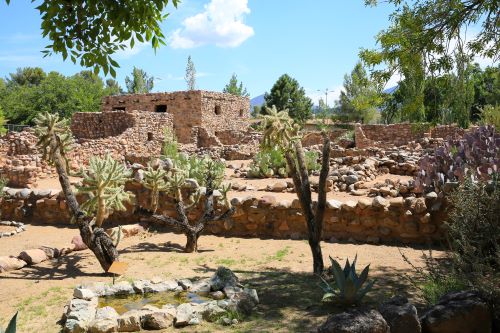 RECORDEDJanuary 22 Wednesday1:00 PM → 2:30 PMSessions: 1Instructor: Richard Bell, Professor of History, University of MarylandLocations: Online ClassWhere does American history begin? Not in 1492, but millennia before then when humans first settled this great continent. Who were these so-called "Native Americans?" How did they get here and what sorts of lives did they have? Why were the Europeans searching for a new world in 1492? What were Columbus and his patrons, Ferdinand and Isabella, hoping to... read moreWhere does American history begin? Not in 1492, but millennia before then when humans first settled this great continent. Who were these so-called "Native Americans?" How did they get here and what sorts of lives did they have? Why were the Europeans searching for a new world in 1492? What were Columbus and his patrons, Ferdinand and Isabella, hoping to find across the Atlantic? And what sort of colonies and empires did the Spanish, then the French, and then the English build when their ships finally hit land?
 -
 RECORDEDJanuary 29 Thursday1:00 PM → 2:00 PMSessions: 1Instructor: Isabella Nelson, Clinical Dietitian, Suburban HospitalLocations: Online ClassEat Smart, Age Strong is an engaging session open to all who want to learn about healthy eating (which is especially helpful for older adults). Isabella Nelson, clinical dietitian at Suburban Hospital, will help you discover how to build a balanced plate, interpret the nutrition facts panel, identify ways to improve your diet, and... read moreEat Smart, Age Strong is an engaging session open to all who want to learn about healthy eating (which is especially helpful for older adults). Isabella Nelson, clinical dietitian at Suburban Hospital, will help you discover how to build a balanced plate, interpret the nutrition facts panel, identify ways to improve your diet, and more.
 -
 RECORDEDJanuary 23 Thursday10:30 AM → 12:00 PMSessions: 1Instructor: Bernadette Sweeney, Elder Law AttorneyLocations: Online Class (BUNDLE & SAVE $9 when you also sign up for related classes #127 and 206.) What is an estate plan, who needs one, and what documents do you need? Learn more about Wills, Trusts, Powers of Attorney and how to plan for both incapacity and death to ensure that your assets pass to your chosen beneficiaries in the most efficient way possible. (See related... read more(BUNDLE & SAVE $9 when you also sign up for related classes #127 and 206.) What is an estate plan, who needs one, and what documents do you need? Learn more about Wills, Trusts, Powers of Attorney and how to plan for both incapacity and death to ensure that your assets pass to your chosen beneficiaries in the most efficient way possible. (See related classes #127 and 206)
 -
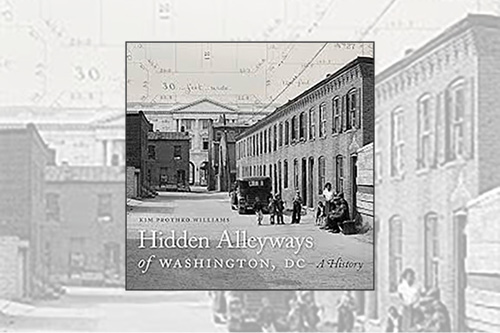 RECORDEDJanuary 27 Monday1:00 PM → 2:00 PMSessions: 1Instructor: Kim Williams, Architectural HistorianLocations: Hybrid - At Oasis and OnlineAlleyways in Washington, DC have always been a fundamental part of the city's life and economy. Deliberately hidden from public view by the capital's early planners, DC's alleys were created to provide access to stables, carriage houses, and other utility buildings. But as the city grew and property values rose, the nature of some alleys and their buildings... read moreAlleyways in Washington, DC have always been a fundamental part of the city's life and economy. Deliberately hidden from public view by the capital's early planners, DC's alleys were created to provide access to stables, carriage houses, and other utility buildings. But as the city grew and property values rose, the nature of some alleys and their buildings changed, resulting in a parallel world of residential, manufacturing, and artistic spaces. Kim Prothro Williams reveals this world in a fascinating and richly illustrated history. A book signing will follow Kim's talk.
 -
 RECORDEDFebruary 3 Tuesday1:00 PM → 2:30 PMSessions: 1Instructor: Richard Bell, Professor of History, University of MarylandLocations: Online Class(See other classes in this series, #162, 220.) The Great Awakening was a major revitalization of Christian faith and practice that swept through the American colonies in the 1700s. It marks the moment at which new faiths began to compete with Puritanism, Anglicanism, and Quakerism for the hearts and minds of American colonists. But how did it happen—and... read more(See other classes in this series, #162, 220.) The Great Awakening was a major revitalization of Christian faith and practice that swept through the American colonies in the 1700s. It marks the moment at which new faiths began to compete with Puritanism, Anglicanism, and Quakerism for the hearts and minds of American colonists. But how did it happen—and why? What were preachers like Jonathan Edwards and his Baptist and Methodist competitors saying about heaven and hell, about this world and the world to come? What recruitment strategies did they use to try to grow their denominations? Why did so many Americans respond to them so emphatically? More importantly, what were the consequences of the Great Awakening? What was at stake? Why does it matter today?