-
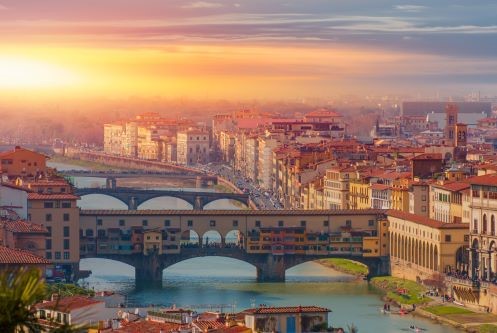 RECORDEDFebruary 10 Monday1:00 PM → 2:30 PMSessions: 1Instructor: Barbara Paulson, Travel SpecialistLocations: Online ClassBeen there, done that? European Travel Specialist Barbara Paulson offers over a dozen alternatives to the “Big Box” museums, churches, and sites of Florence. Consider: one of the earliest homeopathic pharmacies (est. 1897); a museum of mosaic work using semi-precious stones (originally established by the Medici in 1588); a science museum with... read moreBeen there, done that? European Travel Specialist Barbara Paulson offers over a dozen alternatives to the “Big Box” museums, churches, and sites of Florence. Consider: one of the earliest homeopathic pharmacies (est. 1897); a museum of mosaic work using semi-precious stones (originally established by the Medici in 1588); a science museum with Galileo’s astronomy instruments; the tomb of Michelangelo; the best paninis and gelato in the world; and more!
 -
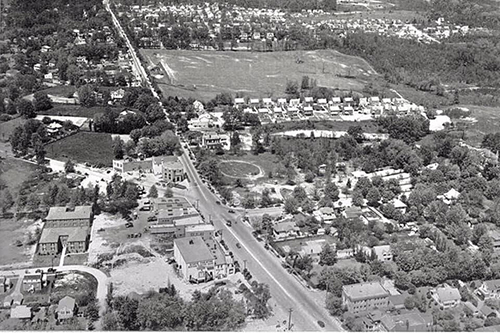 February 5 Monday1:00 PM → 2:15 PMSessions: 1Instructor: Hank Levine, Bethesda Historical SocietyLocations: Online Class(See also class #131: The Roots of Modern Bethesda: 1750 - 1920.) Hank Levine tells the story of how in the century after the end of World War I Bethesda became the affluent suburb and urban center we know and (mostly) love today. Explore how the rise of the automobile brought new neighborhoods and a growing central business district; how the zoning and... read more(See also class #131: The Roots of Modern Bethesda: 1750 - 1920.) Hank Levine tells the story of how in the century after the end of World War I Bethesda became the affluent suburb and urban center we know and (mostly) love today. Explore how the rise of the automobile brought new neighborhoods and a growing central business district; how the zoning and planning ‘wars’ of the 1960’s to 1990’s shaped our community; and how Metro jump-started the growth of a town into a city.
 -
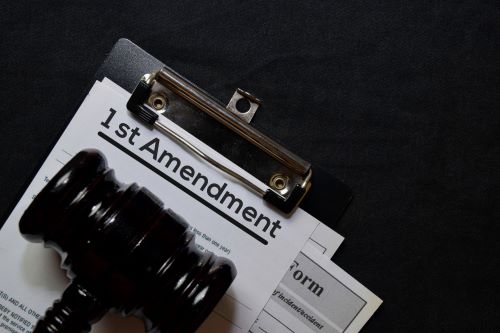 February 6 Monday1:00 PM → 2:30 PMSessions: 1Instructor: Joseph Hartman, Assistant Teaching Professor, Dept. of Government, Georgetown UniversityLocations: Online ClassThe First Amendment to the United States Constitution—terse in its wording, profound in its impact, sits at the heart of the American conception of freedom. This event will explain the basics of the constitutional principles of freedom of religion, freedom of speech, freedom of the press, and freedom of association found in the First Amendment. In so... read moreThe First Amendment to the United States Constitution—terse in its wording, profound in its impact, sits at the heart of the American conception of freedom. This event will explain the basics of the constitutional principles of freedom of religion, freedom of speech, freedom of the press, and freedom of association found in the First Amendment. In so doing we will explore the evolving tests, standards, and approaches found in past decisions of the United States Supreme Court. We'll also consider how the current Court’s recent and pending decisions may affect this crucial area.
 -
February 5 Monday1:00 PM → 2:15 PMSessions: 1Instructor: Hank Levine, Bethesda Historical SocietyLocations: Oasis at the Macys Home Store(See also class #131: The Roots of Modern Bethesda: 1750 - 1920.) Hank Levine tells the story of how in the century after the end of World War I Bethesda became the affluent suburb and urban center we know and (mostly) love today. Explore how the rise of the automobile brought new neighborhoods and a growing central business district; how the zoning and... read more(See also class #131: The Roots of Modern Bethesda: 1750 - 1920.) Hank Levine tells the story of how in the century after the end of World War I Bethesda became the affluent suburb and urban center we know and (mostly) love today. Explore how the rise of the automobile brought new neighborhoods and a growing central business district; how the zoning and planning ‘wars’ of the 1960’s to 1990’s shaped our community; and how Metro jump-started the growth of a town into a city.
-
February 6 Monday1:00 PM → 2:30 PMSessions: 1Instructor: Joseph Hartman, Assistant Teaching Professor, Dept. of Government, Georgetown UniversityLocations: Oasis at the Macys Home StoreThe First Amendment to the United States Constitution—terse in its wording, profound in its impact, sits at the heart of the American conception of freedom. This event will explain the basics of the constitutional principles of freedom of religion, freedom of speech, freedom of the press, and freedom of association found in the First Amendment. In so... read moreThe First Amendment to the United States Constitution—terse in its wording, profound in its impact, sits at the heart of the American conception of freedom. This event will explain the basics of the constitutional principles of freedom of religion, freedom of speech, freedom of the press, and freedom of association found in the First Amendment. In so doing we will explore the evolving tests, standards, and approaches found in past decisions of the United States Supreme Court. We'll also consider how the current Court’s recent and pending decisions may affect this crucial area.
-
 February 2 Wednesday10:30 AM → 12:00 PMSessions: 1Instructor: John McCarthy, Montgomery County State's AttorneyLocations: Oasis at the Macy's Home StoreCannabis in Maryland is legal for medical use and illegal for recreational use, but possession of 10 grams or less has been decriminalized. Maryland lawmakers are gearing up for a legislative session where legalizing the drug for adult recreational use appears slated to be a top issue. Will legalization occur? How has cannabis law developed, in... read moreCannabis in Maryland is legal for medical use and illegal for recreational use, but possession of 10 grams or less has been decriminalized. Maryland lawmakers are gearing up for a legislative session where legalizing the drug for adult recreational use appears slated to be a top issue. Will legalization occur? How has cannabis law developed, in Maryland and other states? Many believe that cannabis should be regarded as a public health issue vs. a criminal justice issue.
 -
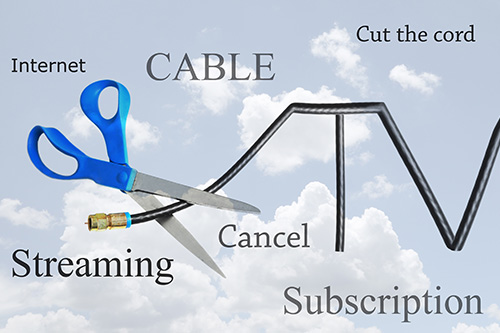 RECORDEDFebruary 11 Tuesday10:30 AM → 12:00 PMSessions: 1Instructor: Victor Rezmovic, Computer InstructorLocations: Hybrid - At Oasis and OnlineBroadcast TV and Cable TV have traditionally provided in-home media to US households. We are experiencing a new paradigm in home entertainment as households are discontinuing their cable TV contracts in favor of streaming options, such as Netflix and Amazon. In this class we will: examine the technical details of how traditional cable, over-the-air TV and... read moreBroadcast TV and Cable TV have traditionally provided in-home media to US households. We are experiencing a new paradigm in home entertainment as households are discontinuing their cable TV contracts in favor of streaming options, such as Netflix and Amazon. In this class we will: examine the technical details of how traditional cable, over-the-air TV and streaming options work, including Internet access and wi-fi; compare the major streaming devices (Roku vs Apple TV vs Smart TV); and explore content providers (Netflix, Hulu, YouTube TV, etc.).
 -
 February 7 Tuesday10:30 AM → 12:00 PMSessions: 1Instructor: Owen Ullmann, Journalist and AuthorLocations: Online ClassNations have used economic sanctions regularly over the past century in hopes of deterring adversaries from launching wars and developing weapons of mass destruction. Yet these steps rarely succeed in changing behavior. Most often, they only punish bad actors for their aggression, as in the case of Russia, which continues to attack Ukraine. Despite their... read moreNations have used economic sanctions regularly over the past century in hopes of deterring adversaries from launching wars and developing weapons of mass destruction. Yet these steps rarely succeed in changing behavior. Most often, they only punish bad actors for their aggression, as in the case of Russia, which continues to attack Ukraine. Despite their limited effectiveness, sanctions are better than all-out warfare and the targeted nations pay a steep price for their actions. Russia is learning that.
 -
February 2 Wednesday10:30 AM → 12:00 PMSessions: 1Instructor: John McCarthy, Montgomery County State's AttorneyLocations: Online ClassCannabis in Maryland is legal for medical use and illegal for recreational use, but possession of 10 grams or less has been decriminalized. Maryland lawmakers are gearing up for a legislative session where legalizing the drug for adult recreational use appears slated to be a top issue. Will legalization occur? How has cannabis law developed, in... read moreCannabis in Maryland is legal for medical use and illegal for recreational use, but possession of 10 grams or less has been decriminalized. Maryland lawmakers are gearing up for a legislative session where legalizing the drug for adult recreational use appears slated to be a top issue. Will legalization occur? How has cannabis law developed, in Maryland and other states? Many believe that cannabis should be regarded as a public health issue vs. a criminal justice issue.
-
February 7 Tuesday10:30 AM → 12:00 PMSessions: 1Instructor: Owen Ullmann, Journalist and AuthorLocations: Oasis at the Macys Home StoreNations have used economic sanctions regularly over the past century in hopes of deterring adversaries from launching wars and developing weapons of mass destruction. Yet these steps rarely succeed in changing behavior. Most often, they only punish bad actors for their aggression, as in the case of Russia, which continues to attack Ukraine. Despite their... read moreNations have used economic sanctions regularly over the past century in hopes of deterring adversaries from launching wars and developing weapons of mass destruction. Yet these steps rarely succeed in changing behavior. Most often, they only punish bad actors for their aggression, as in the case of Russia, which continues to attack Ukraine. Despite their limited effectiveness, sanctions are better than all-out warfare and the targeted nations pay a steep price for their actions. Russia is learning that.
-
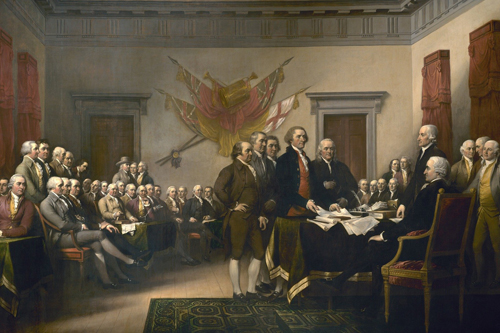 February 6 Tuesday10:30 AM → 12:00 PMSessions: 1Instructor: Richard Bell, Professor of History, University of MarylandLocations: Online ClassThe Declaration of Independence is a peculiar thing. It’s a literary masterpiece that was written jointly by a committee of fifty people. It’s short and punchy—just 1310 words long—but still somehow daunting and difficult to get to grips with (there’s a reason most of us have never read it in full and can only quote the first third of its second... read moreThe Declaration of Independence is a peculiar thing. It’s a literary masterpiece that was written jointly by a committee of fifty people. It’s short and punchy—just 1310 words long—but still somehow daunting and difficult to get to grips with (there’s a reason most of us have never read it in full and can only quote the first third of its second sentence). And what is it exactly? Is it a birth certificate announcing happy news, or a petition for divorce full of grievance and score-settling, or something else? Is it aimed at the American people, or King George, or someone else? Was it the first ever declaration of independence, or a cheap imitation of a genre already well established? What did people at the time make of it? What did it change? Why does it matter? In this public lecture, Richard Bell, a professor of history at the University of Maryland will tackle the fascinating origins, misunderstood purpose, and extraordinary global legacy of the Declaration of Independence.
 -
February 2 Wednesday1:00 PM → 2:30 PMSessions: 1Instructor: Seth Kibel, Musician and ComposerLocations: Online ClassClassical Music. Pop Music. Does “never the twain shall meet” hold true here? Does musical genius consign composers to only one genre or does musical genius free composers to bridge and crossover the musical spectrum? In Part 1 of this class, the works of seminal composers such as George Gershwin, Darius Milhaud, and William Grant Still will be... read moreClassical Music. Pop Music. Does “never the twain shall meet” hold true here? Does musical genius consign composers to only one genre or does musical genius free composers to bridge and crossover the musical spectrum? In Part 1 of this class, the works of seminal composers such as George Gershwin, Darius Milhaud, and William Grant Still will be explored. Part 2 will delve into the oeuvres of Duke Ellington, Claude Bolling, Dave Brubeck, and Wynton Marsalis. (For Part 1 of this series, see class #133. )
-
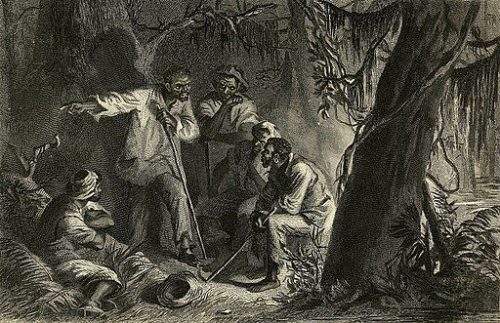 February 7 Tuesday1:00 PM → 2:30 PMSessions: 1Instructor: Richard Bell, Professor of History, University of MarylandLocations: Online ClassNikole Hannah-Jones contends in the New York Times’ 1619 Project that there was no significant bi-racial antislavery campaign in this country in the critical period between the Constitution and the Age of Jackson. White people, she said, sat on their hands. They did nothing of substance. “For the most part,” she wrote, “Black Americans fought back... read moreNikole Hannah-Jones contends in the New York Times’ 1619 Project that there was no significant bi-racial antislavery campaign in this country in the critical period between the Constitution and the Age of Jackson. White people, she said, sat on their hands. They did nothing of substance. “For the most part,” she wrote, “Black Americans fought back alone.” This conversation seeks to unpack this stout and sobering claim—the claim that African Americans had no meaningful white allies in the antislavery before 1840. Was this true?
 -
 RECORDEDFebruary 11 Tuesday1:00 PM → 2:30 PMSessions: 1Instructor: Daniel Stashower, Author and HistorianLocations: Hybrid - At Oasis and OnlineJoin us for pictures and conversation as we step through the looking glass and into the world of Alice’s Adventures in Wonderland, the beloved masterpiece by Oxford mathematician Charles Lutwidge Dodgson, better known as Lewis Carroll. Author Daniel Stashower explores Lewis Carroll’s life and legacy and shares favorite selections from Alice and other... read moreJoin us for pictures and conversation as we step through the looking glass and into the world of Alice’s Adventures in Wonderland, the beloved masterpiece by Oxford mathematician Charles Lutwidge Dodgson, better known as Lewis Carroll. Author Daniel Stashower explores Lewis Carroll’s life and legacy and shares favorite selections from Alice and other celebrated works. Don’t be late for this very important date!
 -
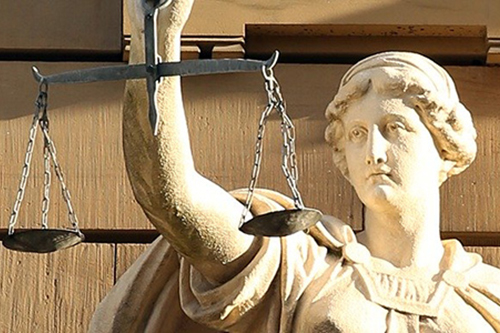 February 12 Wednesday10:30 AM → 12:00 PMSessions: 1Instructor: John McCarthy, Montgomery County State's AttorneyLocations: Hybrid - At Oasis and Online(BUNDLE AND SAVE $12 when you also sign up for related classes #104, 194, 233) Discover the essential rules that govern the journey of a criminal case, from the moment of arrest to the courtroom. We will emphasize the rights of the accused and explore the vital role of due process, ensuring that everyone understands the protections afforded by our... read more(BUNDLE AND SAVE $12 when you also sign up for related classes #104, 194, 233) Discover the essential rules that govern the journey of a criminal case, from the moment of arrest to the courtroom. We will emphasize the rights of the accused and explore the vital role of due process, ensuring that everyone understands the protections afforded by our Constitution.
 -
 February 19 Thursday10:30 AM → 12:00 PMSessions: 1Instructor: Nora Hamerman, Art HistorianLocations: Hybrid - At Oasis and Online(See other class in this series: #115.) What does it mean to create boldly in one’s seventies, eighties, and beyond? Inspired by Goya’s famous inscription— “I am still learning”—this two-part series explores great artists who reached extraordinary new heights late in life. Far from slowing down, these masters continued to innovate, experiment... read more
(See other class in this series: #115.) What does it mean to create boldly in one’s seventies, eighties, and beyond? Inspired by Goya’s famous inscription— “I am still learning”—this two-part series explores great artists who reached extraordinary new heights late in life. Far from slowing down, these masters continued to innovate, experiment with new media, and reshape the course of art history.
Part 2 covers the 19th and 20th centuries. Among the heroes: Hokusai, Monet, Matisse, and Chagall.
-
 February 7 Tuesday3:00 PM → 4:00 PMSessions: 1Instructor: Deeva Garel, Technology InstructorLocations: Online ClassGoogle Photos is a simple and free app for managing your photos and videos. Topics covered include uploading, organizing, sharing, editing, and backing up your photos. This is a demonstration class with time for Q&A, not a hands-on class. See related Google classes: #138 and... read moreGoogle Photos is a simple and free app for managing your photos and videos. Topics covered include uploading, organizing, sharing, editing, and backing up your photos. This is a demonstration class with time for Q&A, not a hands-on class. See related Google classes: #138 and #149.
 -
February 3 Thursday10:30 AM → 12:00 PMSessions: 1Instructor: Dan Sherman, Musical Theatre InstructorLocations: Oasis at the Macy's Home StoreSince entering the world in the 1952 novel Casino Royale, Ian Fleming's James Bond has lived on through novels and more than 25 films. In 1962 Sean Connery introduced Agent 007 to the delight of international audiences! This class will review Fleming's background in British intelligence in WWII which led to his creation of the spy who still thrills movie... read moreSince entering the world in the 1952 novel Casino Royale, Ian Fleming's James Bond has lived on through novels and more than 25 films. In 1962 Sean Connery introduced Agent 007 to the delight of international audiences! This class will review Fleming's background in British intelligence in WWII which led to his creation of the spy who still thrills movie audiences. The class will include excerpts from Bond films along with a great deal of "behind the scenes" information.
-
February 3 Thursday10:30 AM → 12:00 PMSessions: 1Instructor: Dan Sherman, Musical Theatre InstructorLocations: Online ClassSince entering the world in the 1952 novel Casino Royale, Ian Fleming's James Bond has lived on through novels and more than 25 films. In 1962 Sean Connery introduced Agent 007 to the delight of international audiences! This class will review Fleming's background in British intelligence in WWII which led to his creation of the spy who still thrills movie... read moreSince entering the world in the 1952 novel Casino Royale, Ian Fleming's James Bond has lived on through novels and more than 25 films. In 1962 Sean Connery introduced Agent 007 to the delight of international audiences! This class will review Fleming's background in British intelligence in WWII which led to his creation of the spy who still thrills movie audiences. The class will include excerpts from Bond films along with a great deal of "behind the scenes" information.
-
February 3 Thursday1:00 PM → 2:15 PMSessions: 1Instructor: Bill Hoagland, Senior Vice President, Bipartisan Policy CenterLocations: Online ClassThe United States has consistently run deficits over the past decade. Few topics in American politics are more discussed and less understood. Bill Hoagland will shed light on the question, “Do deficits really matter, and why or why not?” In his distinguished career, Mr. Hoagland served as director of Budget and Appropriations in the Office of the Senate... read moreThe United States has consistently run deficits over the past decade. Few topics in American politics are more discussed and less understood. Bill Hoagland will shed light on the question, “Do deficits really matter, and why or why not?” In his distinguished career, Mr. Hoagland served as director of Budget and Appropriations in the Office of the Senate Majority Leader Bill Frist. He also served as staff director of the U.S. Senate Budget Committee, reporting to Senator Pete Domenici. He was one of the first employees of the Congressional Budget Office in 1975, working with its first director, Alice Rivlin.