-
 June 21 Wednesday2:30 PM → 4:00 PMSessions: 1Instructor: Beth Kimel, FacilitatorLocations: Oasis at the Macys Home StoreTED is a nonprofit devoted to spreading ideas in the form of short, powerful talks (18 minutes or less). In this discussion group, we will watch a pre-selected TED talk together and then engage in dialogue about it. By sharing our individual points of view about the ideas expressed in the talk, we’ll gain insights about different perspectives,... read moreTED is a nonprofit devoted to spreading ideas in the form of short, powerful talks (18 minutes or less). In this discussion group, we will watch a pre-selected TED talk together and then engage in dialogue about it. By sharing our individual points of view about the ideas expressed in the talk, we’ll gain insights about different perspectives, philosophies, and perceptions. The topics will be personal and philosophical, not political. The environment will be safe, open, welcoming, and informal. Refreshments will be served! Sign up for one, two, three or all four meeting dates (see class #317, 395, 434). Limit: 20
 -
 RECORDEDJune 25 Wednesday1:00 PM → 2:30 PMSessions: 1Instructor: Michael L. Manson, Educator and Fmr. President, The Robert Frost SocietyLocations: Hybrid - At Oasis and OnlineRobert Frost (1873-1963) was America’s last broadly popular poet. The first to read at a presidential inauguration, he was also the first to serve as poet-in-residence at a university. Everyone read Frost. He appeared on the new medium of TV and spoke at colleges and universities across the country. We’ll examine Frost’s life, biography, and... read moreRobert Frost (1873-1963) was America’s last broadly popular poet. The first to read at a presidential inauguration, he was also the first to serve as poet-in-residence at a university. Everyone read Frost. He appeared on the new medium of TV and spoke at colleges and universities across the country. We’ll examine Frost’s life, biography, and historical context to understand his appeal and his philosophy. We’ll also pair some of his most familiar poems with less well-known poems to understand a large variety of his work.
 -
 June 14 Tuesday10:30 AM → 12:30 PMSessions: 1Instructor: Stephen Klatsky and Jerry Brennan, Baseball AficionadosLocations: Oasis at the Macys Home StoreJoe DiMaggio and Ted Williams were front-page news for decades, on and off the baseball diamond, and during and after their playing careers. This program discusses their interesting rivalry and... read moreJoe DiMaggio and Ted Williams were front-page news for decades, on and off the baseball diamond, and during and after their playing careers. This program discusses their interesting rivalry and lives.
 -
 June 14 Tuesday1:00 PM → 2:30 PMSessions: 1Instructor: Peter Bolland, MA, Professor of Philosophy and Humanities, Southwestern CollegeLocations: Online ClassIn Western religion, God is understood as all-knowing, all-powerful, and all-good. And yet, evil exists in the world. This paradox is known as the problem of evil. Join us as we examine this classic conundrum – how can God be good if he knows about evil and is capable of stopping it, and yet chooses not to? Why does God allow suffering? Either there is no... read moreIn Western religion, God is understood as all-knowing, all-powerful, and all-good. And yet, evil exists in the world. This paradox is known as the problem of evil. Join us as we examine this classic conundrum – how can God be good if he knows about evil and is capable of stopping it, and yet chooses not to? Why does God allow suffering? Either there is no God, God is indifferent, God is incompetent, or God’s plan is beyond human comprehension. We’ll explore the myriad ways this vexing contradiction has been expressed, addressed, and framed by the great theologians and philosophers like Plato, Epicurus, Augustine, Aquinas, Malthus, Hume, and others, including contemporary voices.
 -
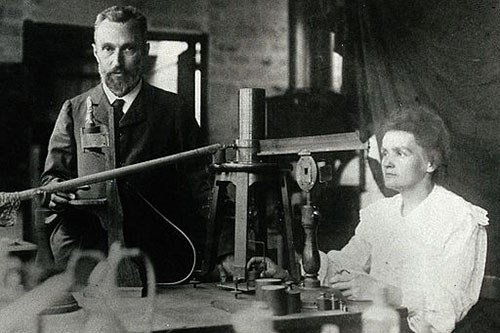 June 22 Thursday10:30 AM → 12:00 PMSessions: 1Instructor: Steven Gimbel, Professor of Philosophy, Gettysburg CollegeLocations: Online ClassPierre Curie was a French physicist doing groundbreaking work exploring the effects of magnetism on crystals. When he accepted Marie Sklodowska into his lab as an assistant, he had not realized he was starting a new experiment exploring her magnetism on his heart. The two would go on to become the first married couple to win the Nobel Prize. This lecture... read morePierre Curie was a French physicist doing groundbreaking work exploring the effects of magnetism on crystals. When he accepted Marie Sklodowska into his lab as an assistant, he had not realized he was starting a new experiment exploring her magnetism on his heart. The two would go on to become the first married couple to win the Nobel Prize. This lecture explores the life, love, and science of the Curies. (See related classes #396 and 435.)
 -
 RECORDEDJune 26 Thursday1:00 PM → 2:00 PMSessions: 1Instructor: Leni Barry, MA, BSN, RN-BC, CDCESLocations: Online ClassGood sleep is essential for overall well-being, yet many of us struggle to get the rest we need. Join us for an educational and informative webinar where we will dive into the importance of Sleep Hygiene and explore practical strategies to improve your sleep quality. As an expert in nursing and health education, Leni will guide you through key principles... read moreGood sleep is essential for overall well-being, yet many of us struggle to get the rest we need. Join us for an educational and informative webinar where we will dive into the importance of Sleep Hygiene and explore practical strategies to improve your sleep quality. As an expert in nursing and health education, Leni will guide you through key principles that can transform your sleep habits, enhance your physical and mental well-being, and help you wake up feeling refreshed.
 -
 August 27 Thursday1:00 PM → 2:00 PMSessions: 1Instructor: Vidhu Vadini, M.B.B.S., Johns Hopkins University School of MedicineLocations: Online ClassLearn how prevention and early action can make a difference in diabetes risk and long-term health. This webinar will explain the key differences between Type 1 and Type 2 diabetes, current research on risk factors, and practical strategies that may help reduce the risk of Type 2 diabetes. Vidhu Vadini, M.B.B.S., from the endocrinology, diabetes, and... read moreLearn how prevention and early action can make a difference in diabetes risk and long-term health. This webinar will explain the key differences between Type 1 and Type 2 diabetes, current research on risk factors, and practical strategies that may help reduce the risk of Type 2 diabetes. Vidhu Vadini, M.B.B.S., from the endocrinology, diabetes, and metabolism division at The Johns Hopkins University School of Medicine will discuss topics to include healthy lifestyle habits, screening, family risk, prevention, and early detection.
 -
 June 15 Wednesday10:30 AM → 11:30 AMSessions: 1Instructor: Thu Huynh, RD, LDNLocations: Online ClassWhether you’re concerned about heart health, blood sugar, or just interested in maximizing your health, this class will help you identify simple and gradual lifestyle strategies that will help you meet your personal health... read moreWhether you’re concerned about heart health, blood sugar, or just interested in maximizing your health, this class will help you identify simple and gradual lifestyle strategies that will help you meet your personal health goals.
 -
 June 26 Thursday2:00 PM → 3:30 PMSessions: 1Instructor: Tracy Baetz, Chief CuratorLocations: TripDiscover all that made the Stewart Lee Udall Department of the Interior Building a “symbol of a new day” during the Great Depression. On this guided walking tour, you will learn about the history of the stunning building and the Department via a selection of more than 40 New Deal-era painted murals, plus photographic murals by Ansel Adams. The tour... read more
Discover all that made the Stewart Lee Udall Department of the Interior Building a “symbol of a new day” during the Great Depression. On this guided walking tour, you will learn about the history of the stunning building and the Department via a selection of more than 40 New Deal-era painted murals, plus photographic murals by Ansel Adams. The tour will conclude in the Interior Museum, where you can view the museum's exhibitions at your own pace. There will be a fair amount of walking during this tour. (See related class #421)
Participants are responsible for their own transportation and will meet at the Department of the Interior, 1849 C Street, N.W., Washington, DC 20240.
Visitors must enter through the C Street lobby, which is located on C Street, N.W., between 18th and 19th Streets, N.W., and proceed to the Visitor Processing Center in the lobby area. Individuals are required to present a valid, government-issued photo ID. All visitors are subject to security screenings, including bag and parcel checks. The entry process usually takes less than 10 minutes, but please plan accordingly. Tours depart promptly at the scheduled time and cannot be joined once in progress.
Please note that the class fee will be used to cover Washington Metro Oasis’s administrative costs. Neither Oasis nor the Department of the Interior is profiting from this tour.Photography is not permitted in the non-public areas of the building.
-
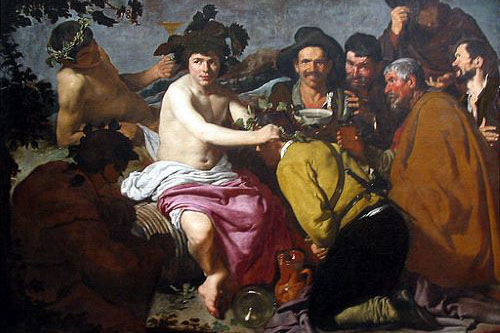 June 22 Thursday1:00 PM → 2:30 PMSessions: 1Instructor: Bonita Billman, Art History LecturerLocations: Online ClassThe Baroque era was a watershed era for Spanish art. Several outstanding painters dominated the century, including Murillo, Zurbaran, Cano and Velazquez. Spanish painters of first rank stood with other European masters like Rembrandt, van Dyck and Rubens in portraying the court, genre and religious subjects so in demand. Not until Francisco Goya would... read moreThe Baroque era was a watershed era for Spanish art. Several outstanding painters dominated the century, including Murillo, Zurbaran, Cano and Velazquez. Spanish painters of first rank stood with other European masters like Rembrandt, van Dyck and Rubens in portraying the court, genre and religious subjects so in demand. Not until Francisco Goya would another Spanish painter arise to match the artistry and influence of Diego Velazquez, court painter to King Philip IV of Spain. We will examine the range of Velazquez’s work: early genre subjects, religious paintings, mythology and court portraits.
 -
 June 20 Thursday10:30 AM → 12:00 PMSessions: 1Instructor: Steven Gimbel, Professor of Philosophy, Gettysburg CollegeLocations: Online ClassThe classical Greeks defined human beings as rational animals, but are we really? It turns out that our brains are actually wired in many circumstances to believe irrational ideas, to draw unsupported conclusions and believe them. We will examine a number of these cognitive biases and logical fallacies and consider ways to avoid... read moreThe classical Greeks defined human beings as rational animals, but are we really? It turns out that our brains are actually wired in many circumstances to believe irrational ideas, to draw unsupported conclusions and believe them. We will examine a number of these cognitive biases and logical fallacies and consider ways to avoid them.
 -
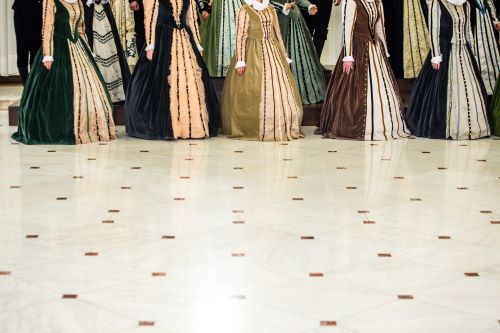 June 20 Thursday1:00 PM → 2:00 PMSessions: 1Instructor: Dorothy Trench Bonett, WriterLocations: Online ClassDid women have a Renaissance? The historical answer is yes. But what does this mean? In her talk, Dorothy Trench Bonett will discuss the effects of humanism on women’s education in 15th and 16th century Europe and introduce women like Sophonisba Anguissola, Marguerite de Navarre and Louise Labe who painted, sculpted and wrote poetry and plays in this... read moreDid women have a Renaissance? The historical answer is yes. But what does this mean? In her talk, Dorothy Trench Bonett will discuss the effects of humanism on women’s education in 15th and 16th century Europe and introduce women like Sophonisba Anguissola, Marguerite de Navarre and Louise Labe who painted, sculpted and wrote poetry and plays in this period, and promoted scholarship. She will consider the differences between their works and those of men and changes from the medieval period. (see related class #357)
 -
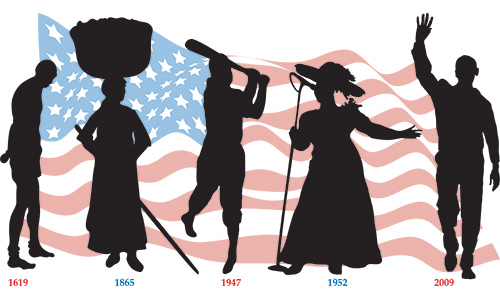 June 15 Wednesday1:00 PM → 2:00 PMSessions: 1Instructor: Carroll Gibbs, Historian/AuthorLocations: Online ClassThe struggle for African American freedom and justice in what was for many years the nation's largest state was long and complex. While much has been made of the signal year of 1619, the black presence in Texas began more than 80 years earlier. Through war and revolution, lynching and Jim Crow, the observance of Juneteenth reminded its celebrants that a new... read moreThe struggle for African American freedom and justice in what was for many years the nation's largest state was long and complex. While much has been made of the signal year of 1619, the black presence in Texas began more than 80 years earlier. Through war and revolution, lynching and Jim Crow, the observance of Juneteenth reminded its celebrants that a new and better future was just over the horizon. Come and learn about America's newest holiday.
 -
 June 16 Thursday10:30 AM → 12:00 PMSessions: 1Instructor: Julie Kurzava, Faculty, Loyola UniversityLocations: Online ClassBeginning in the 1920’s, popular music was largely created by the songwriters of the American Songbook, who created an enduring cultural legacy in song. And then came Elvis. By the late 50’s these song writers were out of business. Julie Kurzava examines how the post war social upheaval is reflected in popular music in the mid 50's. The post war... read moreBeginning in the 1920’s, popular music was largely created by the songwriters of the American Songbook, who created an enduring cultural legacy in song. And then came Elvis. By the late 50’s these song writers were out of business. Julie Kurzava examines how the post war social upheaval is reflected in popular music in the mid 50's. The post war generational shift brought on by the Baby Boomers created radical stylistic changes in popular music, including the emergence of rock and roll and the folk music transitions. (For a related class, see #316.)
 -
June 16 Thursday10:30 AM → 12:00 PMSessions: 1Instructor: Julie Kurzava, Faculty, Loyola UniversityLocations: Oasis at the Macys Home StoreBeginning in the 1920’s, popular music was largely created by the songwriters of the American Songbook, who created an enduring cultural legacy in song. And then came Elvis. By the late 50’s these song writers were out of business. Julie Kurzava examines how the post war social upheaval is reflected in popular music in the mid 50's. The post war... read moreBeginning in the 1920’s, popular music was largely created by the songwriters of the American Songbook, who created an enduring cultural legacy in song. And then came Elvis. By the late 50’s these song writers were out of business. Julie Kurzava examines how the post war social upheaval is reflected in popular music in the mid 50's. The post war generational shift brought on by the Baby Boomers created radical stylistic changes in popular music, including the emergence of rock and roll and the folk music transitions. (For a related class, see #316.)
-
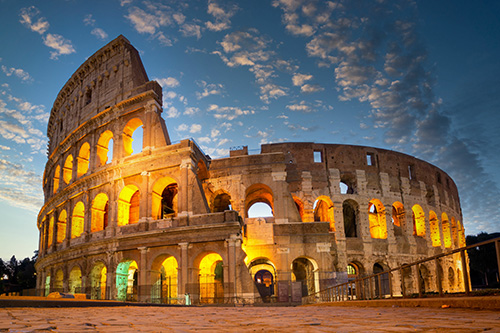 June 16 Thursday1:00 PM → 2:30 PMSessions: 1Instructor: Bonita Billman, Art History LecturerLocations: Online ClassIn the 18th century it was a milestone in a young gentleman’s life to make the Grand Tour of Europe with a final destination in Rome, the eternal city. A status symbol, a mark of culture and education, the Grand Tour marked a young man’s (and occasional young woman’s) coming of age in Britain—a sort of finishing school. This art history lecture will... read moreIn the 18th century it was a milestone in a young gentleman’s life to make the Grand Tour of Europe with a final destination in Rome, the eternal city. A status symbol, a mark of culture and education, the Grand Tour marked a young man’s (and occasional young woman’s) coming of age in Britain—a sort of finishing school. This art history lecture will provide a brief introduction to the European Grand Tour in the 18th century, favored destinations and landmarks, the young people who made the tour and some of the artistic treasures they brought home to Britain.
 -
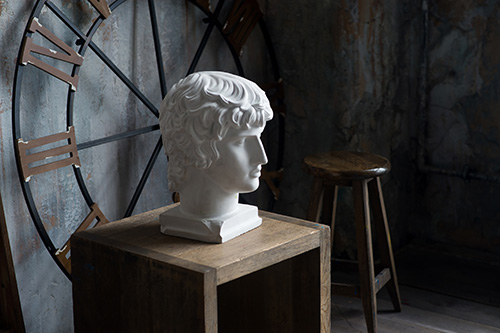 June 17 Friday10:30 AM → 12:00 PMSessions: 1Instructor: Steven Gimbel, Professor of Philosophy, Gettysburg CollegeLocations: Online ClassNo thinker has been more foundational to human thought than Aristotle who launched virtually every field of study from Physics, chemistry, and biology to law, literary theory, and economics. We know him as a philosopher, but his system encompassed all of human thought at the time and provided the launching point from which so much of what we now believe... read moreNo thinker has been more foundational to human thought than Aristotle who launched virtually every field of study from Physics, chemistry, and biology to law, literary theory, and economics. We know him as a philosopher, but his system encompassed all of human thought at the time and provided the launching point from which so much of what we now believe emerged. We will examine how he emerges from the shadow of his teacher Plato to become a giant in the history of thought.
 -
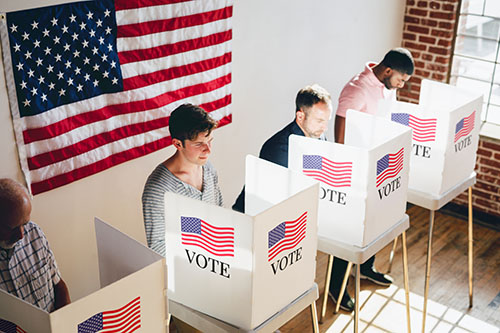 June 24 Monday10:30 AM → 11:30 AMSessions: 1Instructor: Elaine Apter, Secretary, League of Women Voters, Montgomery Cty.Locations: Online Class(Please note that this class has been converted to Online Only.) Many factors will be contributing to how voters are receiving knowledge about candidates and issues in the 2024 Presidential Election. We will discuss AI, social media, TV, international interference and how they are affecting the 2024 Presidential Election... read more(Please note that this class has been converted to Online Only.) Many factors will be contributing to how voters are receiving knowledge about candidates and issues in the 2024 Presidential Election. We will discuss AI, social media, TV, international interference and how they are affecting the 2024 Presidential Election campaign.
 -
Out of stock
 June 26 Monday10:00 AM → 11:30 AMSessions: 1Instructor: Volunteer CoordinatorLocations: TripPlease join us for Oasis Volunteer Day at Comfort Cases. Comfort Cases serves children being placed in foster care. Most are removed from their homes with little more than the clothes on their backs. Through Comfort Cases, these children receive a special bag containing a cozy new pair of pajamas, a brand new warm blanket, and a new stuffed animal to... read morePlease join us for Oasis Volunteer Day at Comfort Cases. Comfort Cases serves children being placed in foster care. Most are removed from their homes with little more than the clothes on their backs. Through Comfort Cases, these children receive a special bag containing a cozy new pair of pajamas, a brand new warm blanket, and a new stuffed animal to hug during the traumatic transition into foster care. Volunteers will meet at the Comfort Cases National Center to help with processing donations, counting inventory, assembling Comfort Cases, and other miscellaneous tasks. Volunteers are responsible for their own transportation. Meet no later than 10 am at 15825 Shady Grove Road, Suite 60, Rockville, MD 20850. Park on the right side of the building (if you are facing the building from Shady Grove Road). Enter from the door on the right side of the building. Once inside, the entrance to Comfort Cases is the second door on the left. Please wear comfortable clothes that you can move in and closed-toe shoes for standing. Limit: 10
 -
 June 26 Monday10:30 AM → 12:00 PMSessions: 1Instructor: John McCarthy, Montgomery County State's AttorneyLocations: Online Class(At the instructor's request, the date of this class has been changed from June 15 to June 26.) Prosecutors are public servants and are expected to behave ethically in accordance with accepted standards. At what point does their misconduct have an impact on the lives they are sworn to protect, and what should the penalty for misconduct... read more(At the instructor's request, the date of this class has been changed from June 15 to June 26.) Prosecutors are public servants and are expected to behave ethically in accordance with accepted standards. At what point does their misconduct have an impact on the lives they are sworn to protect, and what should the penalty for misconduct be?