-
 August 15 Thursday10:30 AM → 11:30 AMSessions: 1Instructor: Nikki Haddad, Alexandra Hardee, & Marla Caplon, Montgomery County Senior Nutrition ProgramLocations: Oasis at the Macys Home StorePlease note, the date for this class has been changed to Thursday, August 15. Recognizing the connection between inflammation and what we eat can support our overall wellbeing. Join us to learn, discuss and prepare a few simply healthy... read morePlease note, the date for this class has been changed to Thursday, August 15. Recognizing the connection between inflammation and what we eat can support our overall wellbeing. Join us to learn, discuss and prepare a few simply healthy recipes.
 -
August 15 Thursday10:30 AM → 11:30 AMSessions: 1Instructor: Nikki Haddad, Alexandra Hardee, & Marla Caplon, Montgomery County Senior Nutrition ProgramLocations: Oasis at the Macys Home StoreLearn how to bring out the flavor in food using a variety of herbs and spices. Let’s use less salt and explore a few recipes that are bursting with... read moreLearn how to bring out the flavor in food using a variety of herbs and spices. Let’s use less salt and explore a few recipes that are bursting with flavor.
-
Out of stock
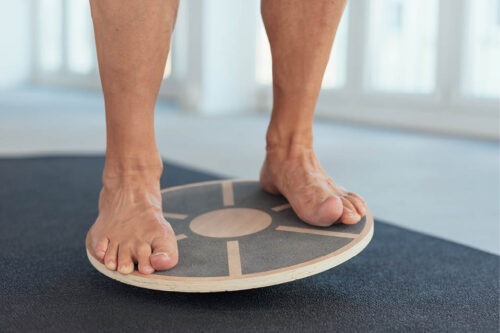 RECORDEDOctober 7 Wednesday1:00 PM → 2:00 PMSessions: 1Instructor: Maria Thannhauser, Physical Therapist, Suburban HospitalLocations: Oasis at Macys Home StoreFalls often start before you'd expect; in subtle shifts in how you walk, and in the quiet fear that follows a stumble or near-miss. In this session, a physical therapist breaks down the walking pattern changes that signal rising fall risk, plus fun, practical balance challenges you can safely try at home. You'll also learn how fear of falling can actually... read moreFalls often start before you'd expect; in subtle shifts in how you walk, and in the quiet fear that follows a stumble or near-miss. In this session, a physical therapist breaks down the walking pattern changes that signal rising fall risk, plus fun, practical balance challenges you can safely try at home. You'll also learn how fear of falling can actually increase your risk, how to rebuild confidence after a fall, and how to tell healthy caution from limiting avoidance. This program is generously supported by the Frederick H. Bowis Community Fund.
 -
 August 15 Thursday1:00 PM → 2:30 PMSessions: 1Instructor: Daryl Davis, MusicianLocations: Hybrid - At Oasis and OnlineThis class will go down Memory Lane and learn about two female singing titans of Popular American Classic Songs. Connie Francis and Brenda Lee emoting voices are forever imprinted in your musical memories from your teenage years to your present age. We'll learn about their beginnings and their rise to fame while enjoying their music we've always... read moreThis class will go down Memory Lane and learn about two female singing titans of Popular American Classic Songs. Connie Francis and Brenda Lee emoting voices are forever imprinted in your musical memories from your teenage years to your present age. We'll learn about their beginnings and their rise to fame while enjoying their music we've always loved.
 -
 August 19 Friday6:00 PM → 7:00 PMSessions: 1Instructor: Chris Burns, Many-StringsLocations: Online ClassGeorge Gershwin was an extraordinary musical comet whose light included unique blendings of jazz, popular song, and modern orchestral masterpieces . . . all before his passing at the tender age of 38. This hour celebrates his unique gifts. Let’s recall his days making piano rolls, creating such gems as "An American in Paris," "Porgy and Bess," and his... read moreGeorge Gershwin was an extraordinary musical comet whose light included unique blendings of jazz, popular song, and modern orchestral masterpieces . . . all before his passing at the tender age of 38. This hour celebrates his unique gifts. Let’s recall his days making piano rolls, creating such gems as "An American in Paris," "Porgy and Bess," and his Hollywood film scores. A very special hour for you!
 -
 October 8 Thursday1:00 PM → 2:00 PMSessions: 1Instructor: Oasis StaffLocations: Oasis at Macys Home StoreGrab a cup of coffee and join us for a relaxed conversation with the Oasis staff! This is your chance to meet the people behind the programs, ask questions, share feedback, and let us know what classes or experiences you'd love to see more of. We value your voice and want to hear what's on your mind — come for the coffee, stay for the... read moreGrab a cup of coffee and join us for a relaxed conversation with the Oasis staff! This is your chance to meet the people behind the programs, ask questions, share feedback, and let us know what classes or experiences you'd love to see more of. We value your voice and want to hear what's on your mind — come for the coffee, stay for the conversation!
 -
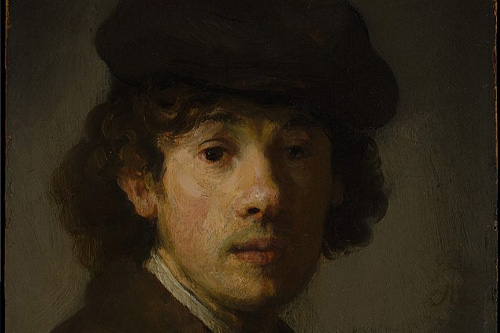 August 22 Monday1:00 PM → 3:00 PMSessions: 1Instructor: Aniko Makranczy, MFALocations: Online ClassDuring this period Rembrandt's fame reaches its pinnacle. He marries and buys a home in Amsterdam, he creates three of his most famous paintings,The Night Watch, Portrait of Jan Six and his well known self-portrait of 1640. We will discuss the changing art world of Rembrandt's time and his eventual decline in popularity and... read moreDuring this period Rembrandt's fame reaches its pinnacle. He marries and buys a home in Amsterdam, he creates three of his most famous paintings,The Night Watch, Portrait of Jan Six and his well known self-portrait of 1640. We will discuss the changing art world of Rembrandt's time and his eventual decline in popularity and fortune.
 -
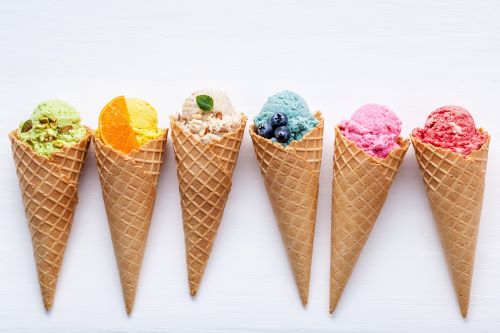 September 7 Wednesday1:00 PM → 3:00 PMSessions: 1Instructor: OasisLocations: Shirley Povich Field/Cabin John Regional ParkIt's been far too long! Let's get together outside for a good, old-fashioned ice cream social! Catch up with Oasis friends, staff, and guests under the Pavilion at Shirley Povich Field in Cabin John Regional Park. Enjoy delicious flavors of ice cream (including a non-dairy option) and summer beverages. Parking is plentiful. We look forward to... read moreIt's been far too long! Let's get together outside for a good, old-fashioned ice cream social! Catch up with Oasis friends, staff, and guests under the Pavilion at Shirley Povich Field in Cabin John Regional Park. Enjoy delicious flavors of ice cream (including a non-dairy option) and summer beverages. Parking is plentiful. We look forward to seeing you there.
 -
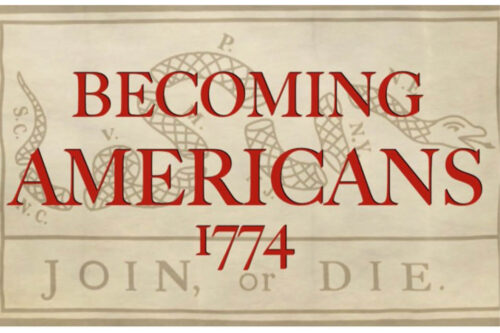 RECORDEDOctober 13 Tuesday1:00 PM → 2:15 PMSessions: 1Instructor: Sandra Heiler, Montgomery History Speakers BureauLocations: Oasis at Macys Home StoreMost Americans know about the Boston Tea Party, but few know what happened next, right here in Montgomery County. On June 11, 1774, ten local men gathered at Hungerford’s Tavern on what is now Route 355 in Rockville and signed the “Hungerford Resolves,” calling for a boycott of all British trade in response to the blockade of Boston Harbor and... read moreMost Americans know about the Boston Tea Party, but few know what happened next, right here in Montgomery County. On June 11, 1774, ten local men gathered at Hungerford’s Tavern on what is now Route 355 in Rockville and signed the “Hungerford Resolves,” calling for a boycott of all British trade in response to the blockade of Boston Harbor and Parliament's passage of the so-called "intolerable acts." The coordinated colonial boycotts that followed marked a turning point: for the first time, American colonists were acting not as Virginians or Marylanders, but as Americans. These events led directly to the First Continental Congress, a de facto declaration of war in 1775, and ultimately the Declaration of Independence.
 -
 September 5 Tuesday1:00 PM → 3:30 PMSessions: 1Instructor: John Natale PT, DPTLocations: Oasis at the Macys Home StoreJoin John Natale, a physical therapist at Suburban Hospital, in a lecture regarding what balance is, the personal and societal cost of falls, risk factors for falls in older adults, how to improve balance, and how to reduce your risk for falls through exercise and other means/strategies. This in-person lecture will be from 1-2 pm followed by a Prevention... read moreJoin John Natale, a physical therapist at Suburban Hospital, in a lecture regarding what balance is, the personal and societal cost of falls, risk factors for falls in older adults, how to improve balance, and how to reduce your risk for falls through exercise and other means/strategies. This in-person lecture will be from 1-2 pm followed by a Prevention Fair from 2-3:30 pm. The fair will offer you the option of having a Falls Risk Assessment and time to engage with healthcare professionals to learn why managing your health and living environment - are excellent steps you can take to prevent a fall.
 -
September 5 Tuesday1:00 PM → 2:00 PMSessions: 1Instructor: John Natale PT, DPTLocations: Online ClassJoin John Natale, a physical therapist at Suburban Hospital, in a lecture regarding what balance is, the personal and societal cost of falls, risk factors for falls in older adults, how to improve balance, and how to reduce your risk for falls through exercise and other... read moreJoin John Natale, a physical therapist at Suburban Hospital, in a lecture regarding what balance is, the personal and societal cost of falls, risk factors for falls in older adults, how to improve balance, and how to reduce your risk for falls through exercise and other means/strategies.
-
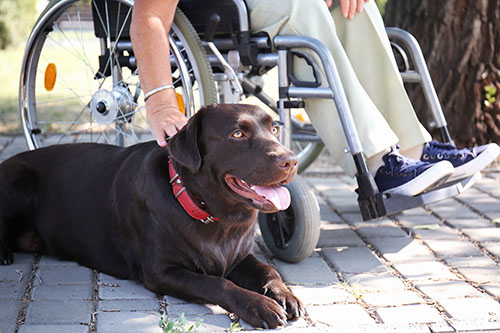 August 23 Tuesday10:30 AM → 11:30 AMSessions: 1Instructor: Terri Binder, Guiding Eyes for the Blind Volunteer Puppy RaiserLocations: Oasis at the Macys Home StoreIs that a therapy dog or a service dog? Ever heard of an assistance peacock? Learn about the different types of assistance animals and delve into the world of a volunteer puppy raiser. Be prepared for some puppy antics from puppies in the Guiding Eyes for the Blind puppy raising program. Young people age 6 or over are welcome to attend – sign up with a... read moreIs that a therapy dog or a service dog? Ever heard of an assistance peacock? Learn about the different types of assistance animals and delve into the world of a volunteer puppy raiser. Be prepared for some puppy antics from puppies in the Guiding Eyes for the Blind puppy raising program. Young people age 6 or over are welcome to attend – sign up with a grandchild, niece, nephew or friend! At least one adult is needed for every two children. Please enroll for the number of total number of seats needed, so that we can keep count of the number of participants.
 -
 August 20 Tuesday3:00 PM → 4:30 PMSessions: 1Instructor: Jonina Duker, Certified Book Discussion LeaderLocations: Online ClassDespite being dyslexic and dysgraphic, Pip Williams grew up loving words: “‘I was like one of those Olympic swimmers who started swimming because he had asthma. My dad knew I had difficulties spelling, so he gave me three dictionaries.” So it’s not a surprise that her best-selling first novel is historical fiction about the Oxford English Dictionary... read moreDespite being dyslexic and dysgraphic, Pip Williams grew up loving words: “‘I was like one of those Olympic swimmers who started swimming because he had asthma. My dad knew I had difficulties spelling, so he gave me three dictionaries.” So it’s not a surprise that her best-selling first novel is historical fiction about the Oxford English Dictionary (OED). The OED -- the ultimate guide to the English language -- was first proposed in 1857, the first portion was published in 1884, and the final portion of the first edition in 1928. The author’s premise is that spoken words used almost exclusively by women may not have been fully represented without textual sources. Please read the book so you can participate in our structured, facilitated, Zoom discussion. (Note: Please join the meeting at 3 pm if you would like some assistance using the features of Zoom. Otherwise, join us at 3:15 pm for the start of our discussion.)
 -
 RECORDEDOctober 14 Wednesday10:30 AM → 11:30 AMSessions: 1Instructor: Dr. Michael Kryzanek, Professor Emeritus, Political Science, Bridgewater State UniversityLocations: Online ClassThe invasion of the Ukraine by Russia has affected United States foreign policy in both the Biden and Trump administrations. This presentation will examine the response of both the administrations and analyze how the policy positions of each has changed over time. The presentation will assess issues related to the war such as the prospects for democracy in... read moreThe invasion of the Ukraine by Russia has affected United States foreign policy in both the Biden and Trump administrations. This presentation will examine the response of both the administrations and analyze how the policy positions of each has changed over time. The presentation will assess issues related to the war such as the prospects for democracy in the Ukraine, the impact of the war on Russia and the Putin government, and the changing role of NATO and Europe.
 -
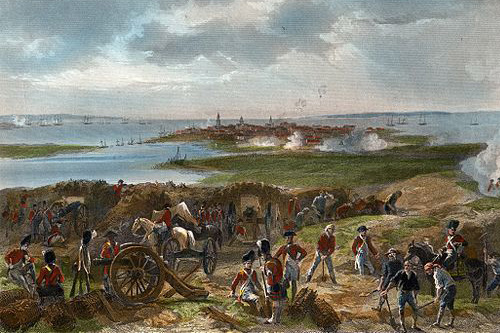 September 6 Wednesday10:30 AM → 12:00 PMSessions: 1Instructor: Richard Bell, Professor of History, University of MarylandLocations: Online ClassBritain’s Royal Navy took 11,000 American sailors captive during the Revolutionary War. They spent months or years buried from the world in prisons in England, Ireland, and Scotland—held indefinitely under the terms of a 1777 law that designated them as pirates and traitors, not as official prisoners of war. This talk reconstructs their experiences. It... read moreBritain’s Royal Navy took 11,000 American sailors captive during the Revolutionary War. They spent months or years buried from the world in prisons in England, Ireland, and Scotland—held indefinitely under the terms of a 1777 law that designated them as pirates and traitors, not as official prisoners of war. This talk reconstructs their experiences. It uses as its case study the ordeal of William Russell, a privateer from New England who spend thirty months trying to escape from England’s Mill Prison before being transferred to the Jersey, a de-masted prison hulk floating in Brooklyn Bay in British-occupied New York. On the Jersey, Russell who have to fight for simple survival.
 -
 August 23 Tuesday1:00 PM → 2:30 PMSessions: 1Instructor: Peter Bolland, MA, Professor of Philosophy and Humanities at Southwestern CollegeLocations: Online ClassThere are many fascinating forms of Buddhism thriving in the world today, and perhaps the most fascinating of all is Zen. Like all forms of Buddhism, Zen roots back to the teachings of the Buddha, a sixth century B.C.E. Indian reformer and spiritual teacher. What makes Zen unique and deeply appealing to people everywhere, especially here in the West, is... read moreThere are many fascinating forms of Buddhism thriving in the world today, and perhaps the most fascinating of all is Zen. Like all forms of Buddhism, Zen roots back to the teachings of the Buddha, a sixth century B.C.E. Indian reformer and spiritual teacher. What makes Zen unique and deeply appealing to people everywhere, especially here in the West, is its practicality, its simplicity, and its willingness to challenge the authority of our institutionalized thinking. Zen is a paradox. At once ancient and modern, disciplined and liberal, deeply traditional and wildly irreverent, Zen strips away from us all that is artificial until only our authentic nature remains. Join us as we uncover the practices and principles of this profoundly spiritual and eminently practical wisdom tradition.
 -
 October 14 Wednesday1:00 PM → 2:30 PMSessions: 1Instructor: Daryl Davis, MusicianLocations: Oasis at Macys Home Store2026 marks the 100th birthday of the man who created one of the greatest and most popular genres of music ever produced in America; Rock’n’Roll. It was shunned, feared, and banned but went on to be loved and accepted the world over. Come celebrate the legacy of this musical genius with... read more2026 marks the 100th birthday of the man who created one of the greatest and most popular genres of music ever produced in America; Rock’n’Roll. It was shunned, feared, and banned but went on to be loved and accepted the world over. Come celebrate the legacy of this musical genius with us!
 -
 August 24 Wednesday1:00 PM → 2:30 PMSessions: 1Instructor: Jane Ellen, Performer, Composer, and Recording ArtistLocations: Online ClassJoan Baez (1941- ) released her first album of folk music in 1960 at the age of 19 and went on to contribute to folk rock, pop, country, and gospel. With eight gold albums, a gold single ("The Night They Drove Old Dixie Down"), and seven Grammy nominations to her credit, she received a Grammy Lifetime Achievement Award in 2007. Popularly known as a singer... read moreJoan Baez (1941- ) released her first album of folk music in 1960 at the age of 19 and went on to contribute to folk rock, pop, country, and gospel. With eight gold albums, a gold single ("The Night They Drove Old Dixie Down"), and seven Grammy nominations to her credit, she received a Grammy Lifetime Achievement Award in 2007. Popularly known as a singer of other people’s work, she is also an accomplished songwriter as well as a political activist.
 -
 August 25 Thursday10:30 AM → 12:00 PMSessions: 1Instructor: Julie Kurzava, Faculty, Loyola UniversityLocations: Online ClassKnowing that laughter can cure a variety of ills, Julie Kurzava continues her examination of how writers and performers combine music with humor to lighten our spirits and keep us entertained. With a special focus on parody and satire, she’ll be featuring some of her favorite writers, from Gilbert & Sullivan to Weird Al Yankovic. No prior knowledge is... read moreKnowing that laughter can cure a variety of ills, Julie Kurzava continues her examination of how writers and performers combine music with humor to lighten our spirits and keep us entertained. With a special focus on parody and satire, she’ll be featuring some of her favorite writers, from Gilbert & Sullivan to Weird Al Yankovic. No prior knowledge is required!
 -
 September 7 Thursday10:30 AM → 11:30 AMSessions: 1Instructor: Christopher Gorham, Lawyer and TeacherLocations: Online ClassIn 1952, LIFE magazine described Anna Marie Rosenberg as “the most important woman in the American government, and perhaps the most important official female in the world.” Four decades earlier, Anna had immigrated to America as a Hungarian Jew. THE CONFIDANTE tells the story of how Anna became a close WWII advisor of President Roosevelt – his "Mrs.... read moreIn 1952, LIFE magazine described Anna Marie Rosenberg as “the most important woman in the American government, and perhaps the most important official female in the world.” Four decades earlier, Anna had immigrated to America as a Hungarian Jew. THE CONFIDANTE tells the story of how Anna became a close WWII advisor of President Roosevelt – his "Mrs. Fix-It" on the home front and his special envoy to wartime Europe. Astonishingly, her story from high school WWI activist to Assistant Secretary of Defense remained largely forgotten, until now.