-
 November 12 Tuesday1:00 PM → 2:15 PMSessions: 1Instructor: Brian Rose, Professor (ret.), Department of Communication and Media Studies, Fordham UniversityLocations: Online ClassHollywood is an industry that has always depended on blockbusters, beginning with The Birth of a Nation and continuing with epics like Gone with the Wind, The Ten Commandments, and The Sound of Music. But beginning in 1974, two young filmmakers, Steven Spielberg and George Lucas, would together change the way the movie industry made movies. Spielberg’s... read moreHollywood is an industry that has always depended on blockbusters, beginning with The Birth of a Nation and continuing with epics like Gone with the Wind, The Ten Commandments, and The Sound of Music. But beginning in 1974, two young filmmakers, Steven Spielberg and George Lucas, would together change the way the movie industry made movies. Spielberg’s Jaws and Lucas’ Star Wars (neither of which was predicted to be a hit) helped launch the careers of the most influential directors of our time. Whether they were making films together (like Indiana Jones) or separately (E.T., Jurassic Park, The Empire Strikes Back), they introduced the age of the “modern blockbuster,” which featured elaborate special effects and thrilling spectacle. This presentation will look at their four decades of filmmaking and discuss how they changed the movies.
 -
 November 13 Wednesday10:30 AM → 12:00 PMSessions: 1Instructor: John McCarthy, Montgomery County State's Attorney, and Barry Helfand, Criminal Defense AttorneyLocations: Hybrid - At Oasis and Online(At the instructor's request, we have changed the topic of this class. We will be offering "Criminal Law Basics" during the upcoming winter term.) Join John McCarthy, Montgomery County’s longest-serving State’s Attorney, and renowned defense attorney Barry Helfand for an insightful discussion on their combined 90+ years of experience in criminal... read more(At the instructor's request, we have changed the topic of this class. We will be offering "Criminal Law Basics" during the upcoming winter term.) Join John McCarthy, Montgomery County’s longest-serving State’s Attorney, and renowned defense attorney Barry Helfand for an insightful discussion on their combined 90+ years of experience in criminal law. Helfand, recognized as one of Washington’s Best Legal Minds by The Washingtonian Magazine, has built a distinguished career representing both the famous and infamous. Despite facing each other in court numerous times, McCarthy and Helfand share a deep mutual respect and friendship. Their conversation offers a unique look into the evolution of criminal law in Montgomery County through the lens of two pivotal cases.
 -
Out of stock
 November 18 Tuesday2:00 PM → 3:30 PMSessions: 1Instructor: Martina Sestakova, Art Educator, Designer and PainterLocations: Oasis at the Macys Home StoreJoin art educator Martina Sestakova for a workshop, during which you will be guided to create a paper collage of a being that showcases what makes you a unique self. You get to assemble a collage in magazine cutouts on a 9”x12” board. No experience needed; all skill levels welcome. All supplies provided. See related class... read moreJoin art educator Martina Sestakova for a workshop, during which you will be guided to create a paper collage of a being that showcases what makes you a unique self. You get to assemble a collage in magazine cutouts on a 9”x12” board. No experience needed; all skill levels welcome. All supplies provided. See related class #554.
 -
 November 13 Wednesday1:00 PM → 2:30 PMSessions: 1Instructor: Beth Kimel, FacilitatorLocations: Oasis at the Macys Home StoreWe will watch this TED talk together and then engage in dialogue about it. People can be exposed to hundreds of lies each day about both serious and harmless things. Because of this, it’s important to be able to understand how to recognize deception. Using verbal and non-verbal clues, anyone can learn to analyze body language to become a truth... read moreWe will watch this TED talk together and then engage in dialogue about it. People can be exposed to hundreds of lies each day about both serious and harmless things. Because of this, it’s important to be able to understand how to recognize deception. Using verbal and non-verbal clues, anyone can learn to analyze body language to become a truth seeker. Pamela Meyer, author of Liespotting, shows the manners and "hotspots" used by those trained to recognize deception -- and she argues honesty is a value worth preserving. Refreshments will be served! (See other TED Talk discussion: class #645.)
 -
 RECORDEDNovember 19 Wednesday1:00 PM → 2:30 PMSessions: 1Instructor: Owen Ullmann, Journalist and AuthorLocations: Hybrid - At Oasis and OnlineThe U.S. government has used tariffs as an economic tool since the founding of the Republic. Over the centuries, they have proven useful for developing economies to establish a manufacturing base. But they have led to catastrophes in a modern world of advanced economies and global trade. This lecture looks at the benefits and dangers of new tariff-triggered... read moreThe U.S. government has used tariffs as an economic tool since the founding of the Republic. Over the centuries, they have proven useful for developing economies to establish a manufacturing base. But they have led to catastrophes in a modern world of advanced economies and global trade. This lecture looks at the benefits and dangers of new tariff-triggered trade wars.
 -
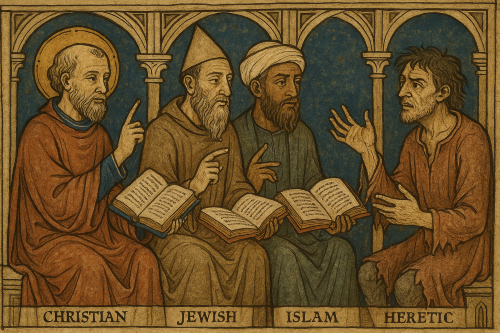 RECORDEDNovember 20 Thursday1:00 PM → 2:30 PMSessions: 1Instructor: Steven Gimbel, Professor of Philosophy, Gettysburg CollegeLocations: Online ClassAfter the Crusades, Christianity came into possession of Greek and Roman philosophy, and influenced by the Muslim and Jewish thinkers before them, some early Church Fathers took up the conversation on their own terms. Saints Anselm, Augustine, and Thomas Aquinas offered different approaches to the Divine and the worldly based on different philosophical... read moreAfter the Crusades, Christianity came into possession of Greek and Roman philosophy, and influenced by the Muslim and Jewish thinkers before them, some early Church Fathers took up the conversation on their own terms. Saints Anselm, Augustine, and Thomas Aquinas offered different approaches to the Divine and the worldly based on different philosophical approaches. (See related classes #520, 558, 637)
 -
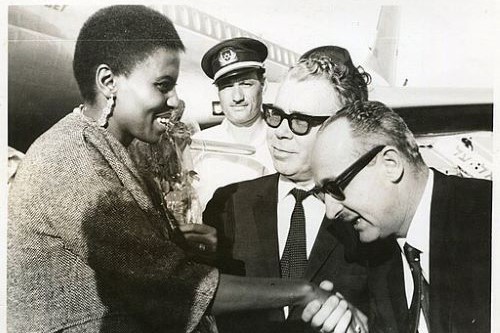 November 13 Wednesday1:00 PM → 2:15 PMSessions: 1Instructor: Judy Luis-Watson, Educator and MusicianLocations: Online ClassTake a class tour of Miriam Makeba’s life in music and activism from an American perspective. Audio-visual clips display Makeba’s wide range of music and collaboration with artists and activists through her phenomenal international career. Said to be the first to bring African music to the world stage, Makeba also brought world attention to the... read moreTake a class tour of Miriam Makeba’s life in music and activism from an American perspective. Audio-visual clips display Makeba’s wide range of music and collaboration with artists and activists through her phenomenal international career. Said to be the first to bring African music to the world stage, Makeba also brought world attention to the struggle for liberation in South Africa. Some surprising aspects of Miriam Makeba's career are revealed using archival resources, including historic federal agency records.
 -
 November 14 Thursday10:30 AM → 12:00 PMSessions: 1Instructor: Seth Kibel, Musician and ComposerLocations: Hybrid - At Oasis and OnlineThere is no greater tragic hero in the history of jazz than Billie Holiday. From her impoverished childhood on the streets of Baltimore, to her constant struggles with addiction, to her eventual early demise, her story is that of legend. This class will listen and watch her sing, putting her music in context with her sad and troubled personal... read moreThere is no greater tragic hero in the history of jazz than Billie Holiday. From her impoverished childhood on the streets of Baltimore, to her constant struggles with addiction, to her eventual early demise, her story is that of legend. This class will listen and watch her sing, putting her music in context with her sad and troubled personal story.
 -
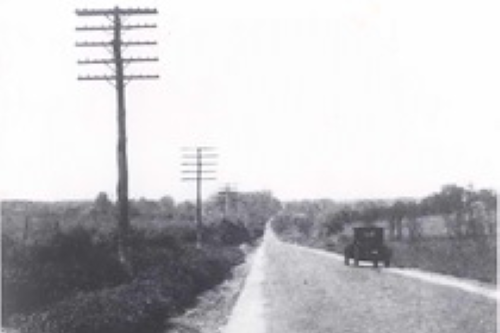 November 14 Thursday1:00 PM → 2:00 PMSessions: 1Instructor: Eileen McGuckian, HistorianLocations: Hybrid - At Oasis and OnlineUsing historic and contemporary photographs, local historian Eileen McGuckian takes a journey through time down the Rockville Pike, from its beginnings as a Native American path to its current status as Montgomery County’s “Golden Mile.” (Old Rockville Pike photo courtesy of Montgomery... read moreUsing historic and contemporary photographs, local historian Eileen McGuckian takes a journey through time down the Rockville Pike, from its beginnings as a Native American path to its current status as Montgomery County’s “Golden Mile.” (Old Rockville Pike photo courtesy of Montgomery History.)
 -
 November 18 Monday10:30 AM → 12:00 PMSessions: 1Instructor: Deborah Kalb, Writer and PodcasterLocations: Oasis at the Macys Home StoreDeborah Kalb is a writer, book blogger, podcaster, editor, and ex-journalist based in the Washington, D.C., area. Her most recent... read more
 -
 November 24 Monday10:30 AM → 12:00 PMSessions: 1Instructor: Julie Kurzava, Faculty, Loyola UniversityLocations: Hybrid - At Oasis and OnlineStephen Schwartz has been working steadily in American musical theater, both onstage and in film, for over 50 years. Godspell was his first success, produced when he was only 23, leading up to his mega hit Wicked, written more than 30 years later. Much like Andrew Lloyd Webber, Schwartz brings a contemporary pop sound to musical... read moreStephen Schwartz has been working steadily in American musical theater, both onstage and in film, for over 50 years. Godspell was his first success, produced when he was only 23, leading up to his mega hit Wicked, written more than 30 years later. Much like Andrew Lloyd Webber, Schwartz brings a contemporary pop sound to musical theater.
 -
 November 25 Tuesday1:00 PM → 2:30 PMSessions: 1Instructor: Vladimir Fridman, Guitarist and ComposerLocations: Oasis at the Macys Home StoreMusic affects your mood in many ways. When we listen to a rhythm, our hearts sync with it. Music can also affect our brain chemistry. Research shows that we choose music based on our current mood. But we can also use music to reverse negative moods as well. We will listen to a palette of music in different styles, moods and rhythms, performed for you and... read moreMusic affects your mood in many ways. When we listen to a rhythm, our hearts sync with it. Music can also affect our brain chemistry. Research shows that we choose music based on our current mood. But we can also use music to reverse negative moods as well. We will listen to a palette of music in different styles, moods and rhythms, performed for you and discussed by guitarist and singer Vladimir Fridman.
 -
 November 18 Monday1:00 PM → 2:30 PMSessions: 1Instructor: Nina Uzick, AARP Driving ProgramLocations: Hybrid - At Oasis and OnlineIt’s never too early to start planning ahead and talking about safe driving for yourself and/or your loved ones. We’ll cover important considerations in planning your and your loved ones’ mobility. Topics will include assessing driving skills; adjusting driving habits; alternative transportation options; and how to have productive and caring... read moreIt’s never too early to start planning ahead and talking about safe driving for yourself and/or your loved ones. We’ll cover important considerations in planning your and your loved ones’ mobility. Topics will include assessing driving skills; adjusting driving habits; alternative transportation options; and how to have productive and caring conversations about driving safely. Ideal participants for this class include drivers, spouses, caregivers, and family. Thank you to MileOne Cares/MileOne Autogroup for their generous support of this program! This session will take place during the day; there is also an evening session scheduled on the same day if more convenient. See class #612.
 -
November 18 Monday7:00 PM → 8:30 PMSessions: 1Instructor: Nina Uzick, AARP Driving ProgramLocations: Hybrid - At Oasis and OnlineIt’s never too early to start planning ahead and talking about safe driving for yourself and/or your loved ones. We’ll cover important considerations in planning your and your loved ones’ mobility. Topics will include assessing driving skills; adjusting driving habits; alternative transportation options; and how to have productive and caring... read moreIt’s never too early to start planning ahead and talking about safe driving for yourself and/or your loved ones. We’ll cover important considerations in planning your and your loved ones’ mobility. Topics will include assessing driving skills; adjusting driving habits; alternative transportation options; and how to have productive and caring conversations about driving safely. Ideal participants for this class include drivers, spouses, caregivers, and family. Thank you to MileOne Cares/MileOne Autogroup for their generous support of this program! This session will take place during the evening; there is also a daytime session scheduled on the same day if more convenient. See class #611.
-
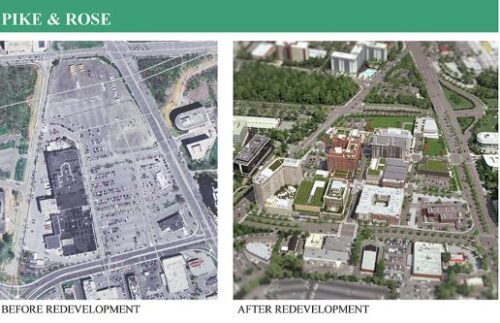 November 19 Tuesday10:30 AM → 11:45 AMSessions: 1Instructor: Carrie Sanders, Chief, Midcounty Planning Division, Montgomery County Planning DepartmentLocations: Hybrid - At Oasis and OnlineIn central Montgomery County, vibrant parks, walkable streets, centers of activity and new buildings are arriving in areas that were once a sea of asphalt. The movement began with the 24-acre Pike & Rose development that replaced the 1960s Mid-Pike Plaza at Old Georgetown Road and Rockville Pike. This program will explore how community planning in... read moreIn central Montgomery County, vibrant parks, walkable streets, centers of activity and new buildings are arriving in areas that were once a sea of asphalt. The movement began with the 24-acre Pike & Rose development that replaced the 1960s Mid-Pike Plaza at Old Georgetown Road and Rockville Pike. This program will explore how community planning in Montgomery County has transformed parking lots into places.
 -
 July 7 Wednesday1:00 PM → 2:00 PMSessions: 1Instructor: Philip R. Pryde, Ph.D, Professor Emeritus, SDSULocations: Online ClassThis is a "feel good" presentation for your pure enjoyment. It will display in all their finest plumage dozens of the most remarkable birds to be found on our hugely diverse planet. Bird species from all seven continents will be presented, and any unusual attributes will be noted. Pick your favorite! Both beginning birders and more experienced world... read moreThis is a "feel good" presentation for your pure enjoyment. It will display in all their finest plumage dozens of the most remarkable birds to be found on our hugely diverse planet. Bird species from all seven continents will be presented, and any unusual attributes will be noted. Pick your favorite! Both beginning birders and more experienced world travelers will enjoy this show. Treat yourself to an hour of color and unconventionality, and leave feeling good knowing you share the planet with these special, spectacular species.
 -
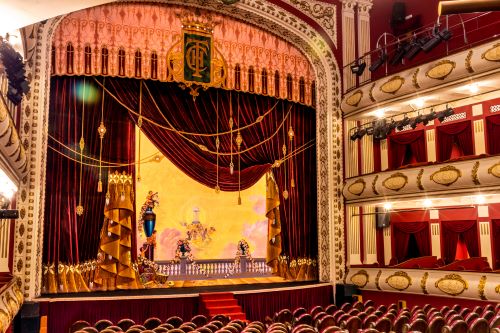 November 19 Tuesday1:00 PM → 2:30 PMSessions: 1Instructor: Ernest Liotti, Faculty, Peabody InstituteLocations: Hybrid - At Oasis and OnlineFranco Zeffirelli was one of the greatest set designers and directors for the stage, film, and opera. Know for his opulent and lavish designs he was unsurpassed in his field. This talk will explore some of his work in opera, including La Boheme, La Traviata, Pagliacci, and Turandot. It has been said that that fewer artists have had a greater impact on the... read moreFranco Zeffirelli was one of the greatest set designers and directors for the stage, film, and opera. Know for his opulent and lavish designs he was unsurpassed in his field. This talk will explore some of his work in opera, including La Boheme, La Traviata, Pagliacci, and Turandot. It has been said that that fewer artists have had a greater impact on the history of The Metropolitan Opera than Zeffirelli.
 -
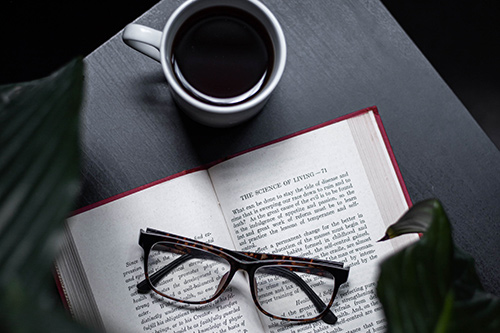 November 19 Tuesday3:00 PM → 4:30 PMSessions: 1Instructor: Jonina Duker, Certified Book Discussion LeaderLocations: Online ClassThis is the tale of the British ship, the HMS Wager, that foundered off the coast of Chile in 1741. Not all the sailors survived and those that did wound up imprisoned by the Spanish for years before making it back to England; the poet Lord Byron’s grandfather John Byron was one of those survivors. The experienced author combines his best-selling... read moreThis is the tale of the British ship, the HMS Wager, that foundered off the coast of Chile in 1741. Not all the sailors survived and those that did wound up imprisoned by the Spanish for years before making it back to England; the poet Lord Byron’s grandfather John Byron was one of those survivors. The experienced author combines his best-selling approach to history with his very modern sensibility. Please read the book so you can participate in our structured, facilitated, Zoom discussion. (Note: Please join the meeting at 3 pm if you would like some assistance using the features of Zoom. Otherwise, join us at 3:15 pm for the start of our discussion.)
 -
 November 20 Wednesday10:30 AM → 12:00 PMSessions: 1Instructor: Louise Harkavy, DocentLocations: TripThe Kreeger Museum is a private, non-profit museum housed in a breath-taking building designed by American architects Philip Johnson and Richard Foster. The museum showcases the Kreeger's permanent collection of 19th and 20th century paintings and sculptures. The more than 180 works of art and the beauty of the museum grounds and sculpture terrace make... read moreThe Kreeger Museum is a private, non-profit museum housed in a breath-taking building designed by American architects Philip Johnson and Richard Foster. The museum showcases the Kreeger's permanent collection of 19th and 20th century paintings and sculptures. The more than 180 works of art and the beauty of the museum grounds and sculpture terrace make visiting this museum a truly unique and inspiring experience. We will have our own private tour with a museum docent, plus you will have time to wander on your own. Participants are responsible for their own transportation. Parking is available, carpooling is encouraged, and they can accommodate wheelchairs. The museum is located at 2401 Foxhall Road, NW, Washington, DC 20007.
 -
 November 20 Wednesday6:00 PM → 7:30 PMSessions: 1Instructor: Suburban Hospital PartnersLocations: Online Class'Tis the season of spending, but let’s be sensible shoppers this year. In this session, we will discuss how to stretch our wallets, not our waistlines! We’ll start with some physical activity and talk about how to plan and approach our shopping trips to get the biggest return on our physical health. Then our nutritionist will take us on a virtual... read more'Tis the season of spending, but let’s be sensible shoppers this year. In this session, we will discuss how to stretch our wallets, not our waistlines! We’ll start with some physical activity and talk about how to plan and approach our shopping trips to get the biggest return on our physical health. Then our nutritionist will take us on a virtual grocery store tour to help us make healthy and affordable food choices. Finally, our chef will showcase a few healthy, budget friendly twists on some holiday favorites. Registration is required and your Zoom link will be emailed 24- and 1- hour prior to the session.